
Get EIN (Employer Identification Number) from IRS – A Complete Guide
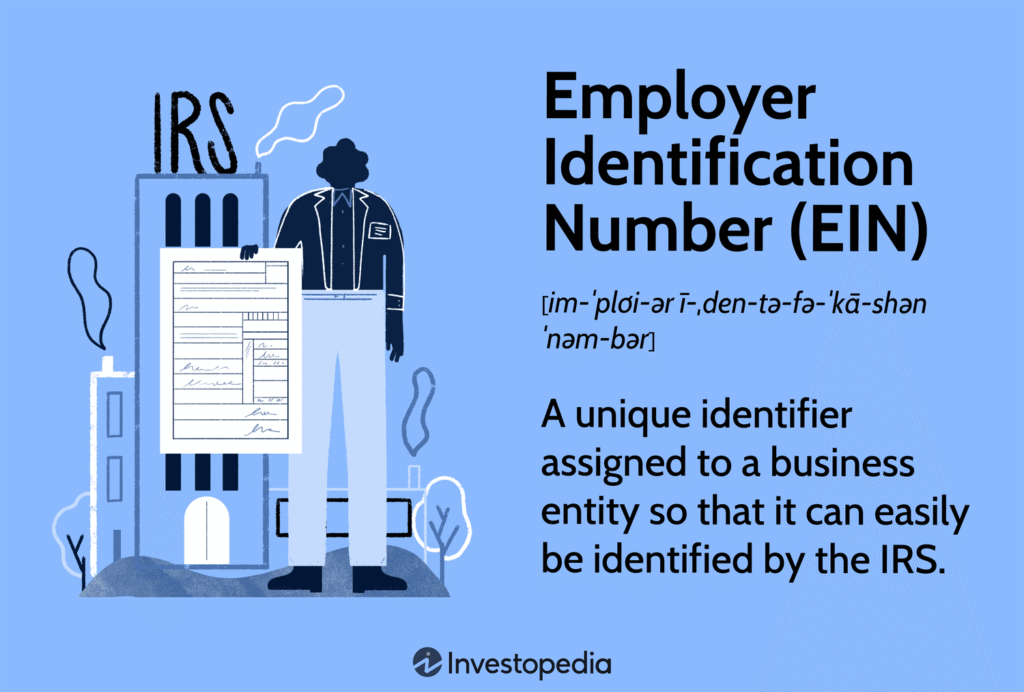
Starting a business in the United States involves more than just launching a website or selling a product. One of the most important steps is obtaining an EIN – Employer Identification Number from the Internal Revenue Service (IRS). Whether you’re a sole proprietor, LLC, partnership, or corporation, an EIN is often essential for tax, banking, and legal purposes. In this article, we’ll cover everything you need to know about getting an EIN: what it is, who needs it, how to apply, and why it matters. What Is an EIN? EIN (Employer Identification Number), also known as a Federal Tax Identification Number, is a nine-digit number (like 12-3456789) issued by the IRS to identify a business for tax purposes. It functions like a Social Security Number (SSN) for businesses. Just like individuals have SSNs, businesses use EINs to file taxes, open bank accounts, and hire employees. Who Needs an EIN? Not all businesses require an EIN, but many do. You must get an EIN if your business: Even if you’re a sole proprietor with no employees, you might still need an EIN for banking, privacy, or to establish credibility. Why You Should Get an EIN Even if you’re not required to get an EIN, it can offer several benefits: 1. Open a Business Bank Account Most banks require an EIN to open a business checking account. Keeping business and personal finances separate helps with accounting and legal protection. 2. Build Business Credit An EIN helps establish a business credit profile separate from your personal credit. This is important if you plan to seek loans or financing in the future. 3. Hire Employees As the name suggests, an Employer Identification Number is mandatory if you plan to hire staff and file payroll taxes. 4. Improve Professionalism Using an EIN instead of your Social Security Number shows clients and vendors that you’re operating a legitimate business. 5. Required for Some Licenses and Permits Many state and federal licenses require an EIN, especially if you operate in a regulated industry. How to Apply for an EIN The process is free, straightforward, and handled entirely through the IRS. There are several ways to apply: 1. Online Application (Recommended) This is the fastest and most convenient method. Eligibility: 2. Apply by Fax 3. Apply by Mail Mail to:Internal Revenue ServiceAttn: EIN OperationCincinnati, OH 45999 4. Apply by Phone (For International Applicants Only) If you’re a non-U.S. resident without a legal residence in the U.S., you can call the IRS to apply: Phone: +1-267-941-1099 (Not toll-free)Hours: Monday–Friday, 6 a.m. to 11 p.m. Eastern Time How to Fill Out Form SS-4 Here are some important parts of Form SS-4 and how to fill them: Make sure the information is accurate to avoid delays. How Long Does It Take to Get an EIN? What Happens After You Get an EIN? Once your EIN is issued: Remember: Your EIN is permanent and doesn’t expire. However, if you change your business structure (e.g., from sole proprietor to LLC), you may need a new EIN. When Do You Need a New EIN? You may need to apply for a new EIN if: In most cases, changing your business name or address does not require a new EIN — just notify the IRS. EIN vs SSN vs ITIN – What’s the Difference? Number Type Used For Who Gets It SSN (Social Security Number) Personal taxes U.S. citizens and permanent residents ITIN (Individual Taxpayer Identification Number) Tax filing by non-residents Non-citizens not eligible for SSN EIN (Employer Identification Number) Business identification Businesses (LLCs, corporations, etc.) Common EIN Mistakes to Avoid Conclusion Getting an EIN from the IRS is one of the first and most important steps in launching a U.S.-based business. Whether you’re forming an LLC, hiring employees, or opening a business bank account, the EIN will serve as your business’s tax ID and identity. It’s easy to apply online, completely free, and typically takes less than 15 minutes. By securing your EIN, you set your business up for smooth operations, legal compliance, and long-term growth. If you’re unsure about the process or your entity type, consider speaking with a business attorney or accountant to get it right the first time.