Author name: launcheaze

Federal Bank Charter or Partner with FDIC-insured bank

Federal Bank Charter or Partner with FDIC-insured bank

A Strategic Guide for Fintechs and Financial Startups Starting a financial institution or fintech in the United States involves navigating a complex regulatory landscape. Two primary routes available for offering banking services are: Each option comes with its own set of benefits, challenges, costs, and timelines. Your decision depends on your long-term vision, capital, operational capabilities, and regulatory readiness. 1. What is a Federal Bank Charter? A Federal Bank Charter is an official license granted by the Office of the Comptroller of the Currency (OCC) that authorizes a business to operate as a national bank under federal regulation. A chartered bank can: In addition to the OCC, chartered banks usually need to register with: 2. Benefits of a Federal Bank Charter 3. Challenges of a Federal Bank Charter 4. Partnering with an FDIC-Insured Bank Instead of forming a new bank, many fintech companies partner with existing banks to offer banking services. These partner banks already have the required licenses and regulatory approvals. For example, popular fintech brands like Chime, Cash App, and Dave started by partnering with banks such as Bancorp Bank, Stride Bank, or Evolve Bank & Trust. 5. Benefits of Partnering 6. Challenges of Partnership 7. Comparison Table Feature Federal Bank Charter FDIC-Partnered Model Setup Time 1–2 years 3–6 months Initial Capital $10M–$50M+ <$1M possible FDIC Insurance Direct via application Indirect through partner bank Regulatory Oversight OCC, FDIC, Fed Shared with partner bank Licensing Requirements Federal preemption Bank’s license used Control Full control of operations Partial; constrained by partner Scalability High; operate in all 50 states Depends on partner agreement Flexibility Low (regulated structure) High (faster product iteration) 8. Real-World Examples These examples show a potential hybrid approach—start with a partner, prove the model, then transition to a charter. 9. Strategic Considerations 10. Which One Should You Choose? Your Need Best Fit Fast go-to-market Partner Model Full product control Federal Charter Small or seed-funded startup Partner Model Long-term financial institution Federal Charter Avoiding dependency risk Federal Charter Regulatory ease and support Partner Model 11. Conclusion Choosing between a Federal Bank Charter and a partnership with an FDIC-insured bank depends on your business model, vision, and available resources. Many successful fintech companies have started with partnerships and later pursued a charter. This staged approach can give you the best of both worlds—speed and control.

State Licensing (state-wise financial institution license)

State Licensing for Financial Institutions in the U.S. – A State-by-State Overview

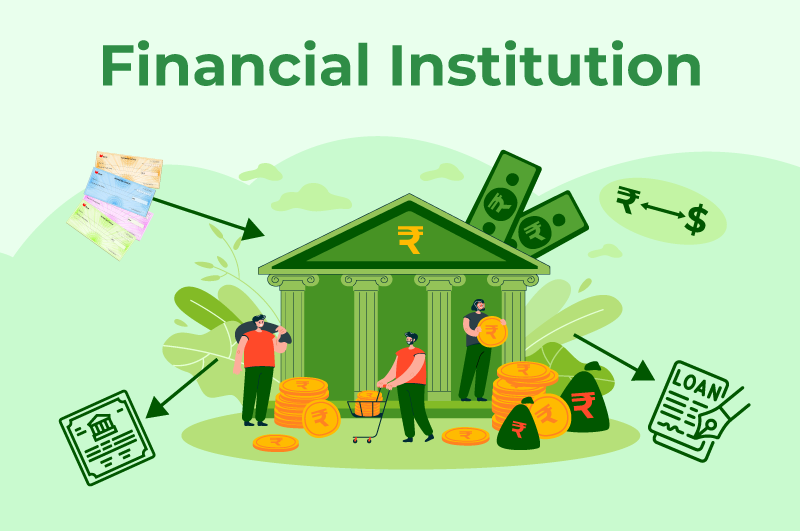
In the United States, launching and operating a financial institution—such as a money transmitter, lending company, mortgage broker, or digital bank—requires proper licensing from state regulatory authorities. Unlike nationally chartered banks regulated by federal agencies like the OCC (Office of the Comptroller of the Currency) or FDIC, many non-bank financial institutions operate under state-level oversight. Understanding state licensing requirements is crucial for compliance, avoiding legal penalties, and gaining consumer trust. In this article, we’ll explore what state licensing means, why it matters, and provide a state-by-state overview of how licensing works for financial institutions in the U.S. What Is State Licensing? State licensing is the process of obtaining permission from a U.S. state government to legally operate certain types of financial businesses within that state. Each state has its own laws, procedures, fees, and compliance rules, making the licensing landscape complex—especially for companies operating in multiple states. Common businesses requiring state licenses include: These businesses must typically register with a state’s Department of Financial Services (DFS) or Department of Banking. Why Is State Licensing Required? State financial regulation ensures that institutions: If you operate without proper state licensing, you may face: National Multistate Licensing System (NMLS) Many state licenses for financial institutions are managed through the NMLS (Nationwide Multistate Licensing System), which provides a centralized platform for: However, each state still has individual requirements, even if the system is centralized. Some licenses may still require direct filing with state agencies. General Licensing Process Though requirements vary by state and business type, most follow this general process: 1. Determine License Type 2. Register Your Business 3. Apply Through NMLS or State Portal 4. Provide Documentation Common requirements include: 5. Wait for Review and Approval State-by-State Licensing Examples Let’s look at how licensing works in some key states for financial businesses: 1. California (Department of Financial Protection and Innovation – DFPI) 2. New York (Department of Financial Services – NYDFS) 3. Texas (Department of Banking) 4. Florida (Office of Financial Regulation – OFR) 5. Illinois (Department of Financial and Professional Regulation – IDFPR) 6. Delaware 7. Arizona How to Handle Multi-State Operations If your business serves customers in multiple states (especially for digital banks, online lenders, and fintechs), you may need: Some businesses apply for all 50 states via NMLS, though this is costly and time-intensive. Tip: Start with a few key states (e.g., CA, TX, FL), then expand strategically. Common Compliance Obligations After Licensing Once licensed, businesses must: Costs Involved Costs vary greatly depending on state, license type, and business size. Typical fees include: Item Cost Range Application Fee $100–$5,000 Investigation Fee $100–$1,000 Surety Bond $10,000–$1,000,000 (based on volume) Annual Renewal Fee $100–$3,000 Background Check / Fingerprinting $50–$200 per person Challenges and Recommendations Challenges: Recommendations: Conclusion State-wise licensing is one of the most crucial steps in operating a compliant and legally secure financial institution in the U.S. While complex, understanding and navigating the state licensing landscape—especially through platforms like NMLS—can make expansion and growth much smoother for your business. If you’re serious about launching or expanding a financial service company in the U.S., begin with a strategic licensing plan, consult with legal and compliance experts, and maintain transparency with regulators.

Get EIN (Employer Identification Number from IRS)

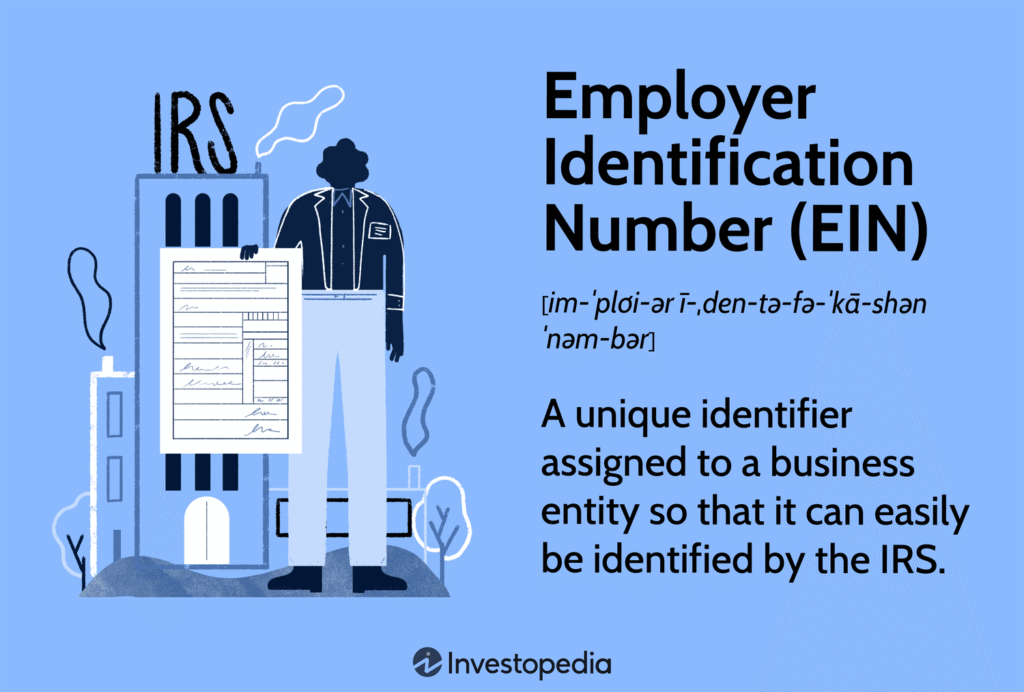
Get EIN (Employer Identification Number) from IRS – A Complete Guide

Starting a business in the United States involves more than just launching a website or selling a product. One of the most important steps is obtaining an EIN – Employer Identification Number from the Internal Revenue Service (IRS). Whether you’re a sole proprietor, LLC, partnership, or corporation, an EIN is often essential for tax, banking, and legal purposes. In this article, we’ll cover everything you need to know about getting an EIN: what it is, who needs it, how to apply, and why it matters. What Is an EIN? EIN (Employer Identification Number), also known as a Federal Tax Identification Number, is a nine-digit number (like 12-3456789) issued by the IRS to identify a business for tax purposes. It functions like a Social Security Number (SSN) for businesses. Just like individuals have SSNs, businesses use EINs to file taxes, open bank accounts, and hire employees. Who Needs an EIN? Not all businesses require an EIN, but many do. You must get an EIN if your business: Even if you’re a sole proprietor with no employees, you might still need an EIN for banking, privacy, or to establish credibility. Why You Should Get an EIN Even if you’re not required to get an EIN, it can offer several benefits: 1. Open a Business Bank Account Most banks require an EIN to open a business checking account. Keeping business and personal finances separate helps with accounting and legal protection. 2. Build Business Credit An EIN helps establish a business credit profile separate from your personal credit. This is important if you plan to seek loans or financing in the future. 3. Hire Employees As the name suggests, an Employer Identification Number is mandatory if you plan to hire staff and file payroll taxes. 4. Improve Professionalism Using an EIN instead of your Social Security Number shows clients and vendors that you’re operating a legitimate business. 5. Required for Some Licenses and Permits Many state and federal licenses require an EIN, especially if you operate in a regulated industry. How to Apply for an EIN The process is free, straightforward, and handled entirely through the IRS. There are several ways to apply: 1. Online Application (Recommended) This is the fastest and most convenient method. Eligibility: 2. Apply by Fax 3. Apply by Mail Mail to:Internal Revenue ServiceAttn: EIN OperationCincinnati, OH 45999 4. Apply by Phone (For International Applicants Only) If you’re a non-U.S. resident without a legal residence in the U.S., you can call the IRS to apply: Phone: +1-267-941-1099 (Not toll-free)Hours: Monday–Friday, 6 a.m. to 11 p.m. Eastern Time How to Fill Out Form SS-4 Here are some important parts of Form SS-4 and how to fill them: Make sure the information is accurate to avoid delays. How Long Does It Take to Get an EIN? What Happens After You Get an EIN? Once your EIN is issued: Remember: Your EIN is permanent and doesn’t expire. However, if you change your business structure (e.g., from sole proprietor to LLC), you may need a new EIN. When Do You Need a New EIN? You may need to apply for a new EIN if: In most cases, changing your business name or address does not require a new EIN — just notify the IRS. EIN vs SSN vs ITIN – What’s the Difference? Number Type Used For Who Gets It SSN (Social Security Number) Personal taxes U.S. citizens and permanent residents ITIN (Individual Taxpayer Identification Number) Tax filing by non-residents Non-citizens not eligible for SSN EIN (Employer Identification Number) Business identification Businesses (LLCs, corporations, etc.) Common EIN Mistakes to Avoid Conclusion Getting an EIN from the IRS is one of the first and most important steps in launching a U.S.-based business. Whether you’re forming an LLC, hiring employees, or opening a business bank account, the EIN will serve as your business’s tax ID and identity. It’s easy to apply online, completely free, and typically takes less than 15 minutes. By securing your EIN, you set your business up for smooth operations, legal compliance, and long-term growth. If you’re unsure about the process or your entity type, consider speaking with a business attorney or accountant to get it right the first time.

Register your Company (LLC, C-Corp, etc.)

Register Your Company (LLC, C-Corp, etc.)

Starting your own business is a dream for many aspiring entrepreneurs, but one of the most important first steps is deciding how to legally structure and register your company. The type of entity you choose — whether an LLC (Limited Liability Company), C-Corporation, S-Corporation, or Sole Proprietorship — will affect your taxes, liability, ownership structure, and regulatory requirements. This article will guide you through the process of registering your company in the United States and help you understand the different types of business entities available. 1. Why Register a Company? Registering a business is crucial for both legal protection and operational benefits. Here’s why: 2. Choosing a Business Structure Before registration, you must choose a business entity type that fits your goals. The most common types include: A. Sole Proprietorship B. Partnership C. Limited Liability Company (LLC) D. C-Corporation E. S-Corporation 3. Steps to Register Your Company Step 1: Choose a Business Name Your business name should be: Check availability with your state’s business registry and trademark database. You may also want to reserve a domain name for your website. Step 2: Select Your State of Registration Many businesses choose their home state, but some register in Delaware, Nevada, or Wyoming due to business-friendly laws. If you operate in multiple states, you may need foreign qualification in each. Step 3: File Formation Documents Depending on the entity type: Submit these to your Secretary of State’s office with a fee (usually $50–$300). Step 4: Appoint a Registered Agent A registered agent is required to receive legal documents on behalf of your business. This can be: The agent must have a physical address in the state of registration. Step 5: Get an EIN (Employer Identification Number) The EIN, or Federal Tax ID, is issued by the IRS and is essential for: You can get it for free on the IRS website within minutes. Step 6: Create an Operating Agreement or Bylaws These documents are not always required but are highly recommended for smooth internal operations. Step 7: Obtain Business Licenses and Permits Depending on your industry and location, you may need: Check with your local city or county government office. Step 8: Open a Business Bank Account Never mix personal and business finances. A dedicated business bank account is necessary for: Bring your EIN, registration documents, and ID to the bank. Step 9: Stay Compliant After registering, keep your business in good standing by: Some states charge yearly fees, so check the requirements. 4. Costs of Registering a Company The cost to register varies depending on the state and entity type: Business Type Estimated Cost Sole Proprietorship $0–$60 Partnership $50–$200 LLC $50–$500 C-Corp $100–$500 Registered Agent (optional) $100–$300/year EIN Free 5. Registering Online vs. Using a Service You can file directly with your state or use a business formation service like: These services handle paperwork, registered agent services, and compliance — ideal for first-time business owners. 6. Frequently Asked Questions (FAQs) Q1: Can I register a business from outside the U.S.?Yes. Many non-residents register U.S. LLCs or C-Corps, often in Delaware or Wyoming. You’ll need a U.S. registered agent and an EIN. Q2: What if I want to change my business structure later?You can convert or restructure your business, but it may involve tax and legal implications. Consult an accountant or attorney. Q3: Is an LLC better than a corporation?It depends. LLCs offer flexibility and simplicity, while C-Corps are better for attracting investors. Choose based on your goals. Q4: Do I need a lawyer to register a business?No, but for complex situations (like multiple partners or large funding), legal advice is helpful. Conclusion Registering your company is the foundation of your entrepreneurial journey. Whether you choose an LLC for its flexibility, a C-Corp for growth potential, or a sole proprietorship for simplicity, your decision should align with your business goals, risk level, and tax preferences. With the right setup, you’ll have the legal protection, credibility, and structure needed to grow a successful business. If you’re unsure, consult a small business attorney or accountant — getting it right at the start can save you time, money, and legal trouble down the road.

Uncategorized

Scratch Card Strategies and Tips for Success

Understanding Scratch Cards: The Basics

Scratch cards are a popular instant-win game found in both physical and online casinos. Players purchase a card and scratch off a protective layer to reveal symbols or numbers, hoping to match winning combinations. The appeal lies in the immediacy of the game; however, understanding the underlying mechanics is crucial for maximizing your chances of success.

Why Scratch Card Strategies and Tips for Success Matter

Many players approach scratch cards with a mix of luck and instinct, but having a strategy can significantly improve your odds. Strategies can help you manage your bankroll more effectively, choose the right games, and increase your overall enjoyment of the experience. At WinPlace Casino games, understanding these strategies can lead to more informed decisions and potentially greater wins.

The Math Behind Scratch Cards

Knowing the Return to Player (RTP) percentage is essential when selecting scratch cards. The RTP indicates the average amount returned to players over time. For instance, a scratch card with an RTP of 90% means that for every $100 spent on tickets, players can expect to win back $90. Understanding this can help you gauge the profitability of different scratch card options.

Additionally, it’s crucial to consider the house edge, which is the casino’s advantage over players. Games with a lower house edge are typically more favorable. For example, if a scratch card has a house edge of 5%, it implies a better chance of winning compared to one with a 10% house edge.

Choosing the Right Scratch Cards

Not all scratch cards are created equal. Here are some tips for choosing the right ones:

  • Look for higher RTP: Cards with RTPs above 90% are generally more lucrative.
  • Consider the prize structure: Cards with fewer large jackpots may have better odds of winning smaller prizes.
  • Check the odds: Each card will display odds of winning. Opt for those with better odds for higher chances of winning.

Managing Your Bankroll Effectively

Bankroll management is a critical component of any gambling strategy. Here are some strategies for managing your funds while playing scratch cards:

  • Set a budget: Determine how much you are willing to spend before you start playing and stick to that limit.
  • Divide your bankroll: Instead of spending your entire budget on one session, consider breaking it into smaller amounts for multiple sessions.
  • Track your spending: Keep a log of your purchases and winnings to understand your overall performance and adjust your strategy accordingly.

Hidden Risks and How to Avoid Them

While scratch cards can be fun, they come with inherent risks that players should be aware of:

  • Impulse buying: The thrill of the game can lead to purchasing more cards than initially planned. Set strict limits to avoid this pitfall.
  • Chasing losses: If you experience a losing streak, the temptation to buy more cards can increase. Stick to your budget to mitigate this risk.
  • Lack of game knowledge: Playing without understanding the odds and RTP can lead to poor decision-making. Always do your research.

Utilizing Promotions and Bonuses

Many online casinos, including WinPlace, offer promotions or bonuses for scratch cards. These can significantly enhance your gameplay without additional cost. Look for:

  • No deposit bonuses: Often provided to new players, these allow you to play without risking your own money.
  • Reload bonuses: Use these to extend your gameplay when you deposit more funds.
  • Cashback offers: Some casinos provide a percentage back on losses, which can be a safety net.

Conclusion: Putting It All Together

Success in scratch cards is not solely reliant on luck. By understanding the math behind the games, choosing the right cards, managing your bankroll, and utilizing promotional offers, you can create a comprehensive strategy that enhances your playing experience. Remember, gambling should always be approached with caution and within your means.

Final Thoughts on Scratch Card Success

While the excitement of scratch cards can be intoxicating, a disciplined approach grounded in strategy will yield better results over time. Stay informed, remain responsible, and enjoy the thrill of the game.

Uncategorized

Il rischio di attraversare fuori dalle strisce: lezioni da Chicken Road 2

La sicurezza stradale rappresenta un elemento fondamentale della vita quotidiana in Italia, dove le città storiche e le zone rurali convivono in un delicato equilibrio tra tradizione e modernità. La corretta percezione del rischio e il rispetto delle regole sono essenziali per ridurre gli incidenti, spesso causati da comportamenti imprudenti come l’attraversamento fuori dalle strisce pedonali. In questo articolo, analizzeremo le implicazioni di questi comportamenti, con esempio di strumenti educativi e innovativi come «Chicken Road 2», per promuovere una cultura della sicurezza più consapevole e diffusa. Vai all’indice L’importanza degli attraversamenti pedonali nelle città italiane Statistiche italiane sugli incidenti stradali e il ruolo delle strisce pedonali La teoria del rischio: perché attraversare fuori dalle strisce aumenta le probabilità di incidenti Analisi dei comportamenti degli italiani in strada e delle cause comuni di attraversamenti non corretti Confronto tra normative italiane e pratiche di sicurezza pedonale Lezioni dalla cultura e dall’ambiente italiano sulla sicurezza stradale L’impatto delle abitudini locali e delle tradizioni sulla percezione del rischio Come l’educazione può ridurre i rischi: il ruolo delle campagne di sensibilizzazione in Italia Esempi di campagne di successo e lezioni apprese L’innovazione tecnologica e il miglioramento della sicurezza stradale in Italia Dispositivi e segnaletica intelligente per guidare i pedoni e gli automobilisti L’utilizzo di applicazioni e sistemi di monitoraggio per prevenire incidenti Il caso di «Chicken Road 2»: una moderna metafora del rischio di attraversare fuori dalle strisce Presentazione del gioco come esempio di consapevolezza e attenzione alle regole Come «Chicken Road 2» aiuta a comprendere l’importanza di rispettare le linee di attraversamento in modo ludico e educativo Lezioni pratiche per gli Italiani: come applicare i principi di sicurezza nelle città e nelle aree rurali Strategie di comportamento sicuro durante gli spostamenti quotidiani La responsabilità collettiva e individuale nella prevenzione degli incidenti Approfondimento culturale: il valore simbolico delle strisce pedonali nella società italiana Conclusioni: come ridurre il rischio di attraversare fuori dalle strisce e promuovere una cultura della sicurezza in Italia L’importanza degli attraversamenti pedonali nelle città italiane In Italia, le strisce pedonali rappresentano più di semplici linee sulla strada: sono un simbolo di convivenza civile e di rispetto reciproco tra automobilisti e pedoni. Nelle città storiche come Firenze, Venezia o Roma, attraversare correttamente significa rispettare un patrimonio di regole che garantiscono la sicurezza di tutti. Questi attraversamenti sono strategici, spesso collocati in punti di forte passaggio come piazze, vicoli e zone turistiche, dove il flusso di pedoni è elevato. Attenzione però, la corretta percezione del valore di queste linee non sempre è condivisa. Molti pedoni, soprattutto giovani o turisti, tendono ad attraversare fuori dalle strisce, spesso spinti dalla fretta o dalla disattenzione. Questo comportamento, sebbene sembri meno rischioso in apparenza, aumenta significativamente le probabilità di incidenti, come confermano le statistiche italiane. Statistiche italiane sugli incidenti stradali e il ruolo delle strisce pedonali Anno Incidenti pedoni Percentuale incidenti fuori dalle strisce 2022 15.300 62% 2021 14.800 59% Questi dati evidenziano come un comportamento di attraversamento scorretto aumenti di molto il rischio di incidenti, causando spesso ferite gravi o peggio. La consapevolezza del ruolo delle strisce pedonali è quindi un elemento chiave per la sicurezza di tutti. La teoria del rischio: perché attraversare fuori dalle strisce aumenta le probabilità di incidenti Il comportamento di attraversare fuori dalle linee di attraversamento si basa spesso su una percezione distorta del rischio. In Italia, molte persone tendono a considerare le strisce come un optional, specialmente in zone meno trafficate o in aree rurali. Tuttavia, studi di comportamento e analisi delle cause di incidenti dimostrano che questa abitudine aumenta significativamente le probabilità di collisioni con veicoli in movimento. Perché questa percezione è sbagliata? La risposta risiede nella fisiologia umana e nelle norme di sicurezza. Quando si attraversa fuori dalle strisce, si riduce il tempo di reazione degli automobilisti, che spesso non riescono a evitare un pedone che si sposta improvvisamente. Inoltre, la mancanza di un punto di riferimento visivo rende più difficile stimare correttamente la distanza e la velocità dei veicoli. Analisi dei comportamenti italiani e cause comuni Fretta e superficialità, soprattutto tra giovani e pendolari Disattenzione causata dall’uso dello smartphone mentre si attraversa Mancanza di educazione civica e di consapevolezza del rischio Percezione di maggiore libertà e autonomia, spesso alimentata da tradizioni locali Normative italiane e pratiche di sicurezza pedonale In Italia, il Codice della Strada stabilisce che i pedoni devono attraversare sulle strisce e rispettare i segnali di attraversamento. Tuttavia, spesso questa norma viene disattesa o interpretata in modo troppo flessibile, soprattutto in contesti urbani dove l’attenzione e il rispetto delle regole si scontrano con abitudini radicate. La sensibilizzazione e l’applicazione rigorosa delle leggi sono quindi cruciali per migliorare la sicurezza. Lezioni dalla cultura e dall’ambiente italiano sulla sicurezza stradale La cultura italiana, con le sue radici storiche e sociali, ha sempre enfatizzato il rispetto delle regole come elemento di civiltà. Esempi storici come il rispetto delle norme di comportamento in piazze affollate o nel traffico di città come Milano e Napoli mostrano come la disciplina e il senso civico possano contribuire a ridurre i rischi. D’altro canto, alcune tradizioni locali, come il senso di familiarità e la fiducia nel comportamento spontaneo, talvolta portano a trascurare le norme di sicurezza. Questa ambivalenza tra rispetto e disattenzione può essere superata attraverso una maggiore consapevolezza, anche grazie a strumenti come «Chicken Road 2», che rendono l’apprendimento più coinvolgente. Come l’educazione può ridurre i rischi: il ruolo delle campagne di sensibilizzazione in Italia Le campagne di sensibilizzazione rappresentano uno degli strumenti più efficaci per modificare i comportamenti e promuovere un atteggiamento più responsabile. In Italia, molti programmi scolastici e iniziative pubbliche cercano di insegnare fin dalla giovane età l’importanza di attraversare correttamente e di rispettare le regole stradali. Tra le iniziative di successo, spiccano campagne come “Vivi il traffico con prudenza” o “Rispetta le strisce”, che spesso integrano strumenti educativi innovativi e giochi come «Chicken Road 2» per coinvolgere i più giovani e rendere l’apprendimento più efficace e duraturo. Questi esempi dimostrano come l’educazione possa realmente contribuire a cambiare le

Uncategorized

How Momentum Drives Success in Modern Games 11-2025

1. Introduction to Momentum in Modern Gaming In the landscape of contemporary game design, momentum refers to the psychological and mechanical force that propels players forward, enhancing engagement and fostering a sense of accomplishment. It encompasses both the tangible feedback within the game and the intangible psychological states, such as flow and confidence, that encourage players to continue their journey. Why is momentum so vital? Because it directly influences player retention and overall success. When players experience a streak of positive outcomes or smooth progression, they are more likely to stay invested, seeking to replicate that success. Modern games leverage this principle by designing mechanics that create and sustain momentum, ensuring players remain captivated over extended periods. Overview of Momentum in Modern Games From casual mobile titles to complex multiplayer platforms, the strategic use of momentum is evident. For instance, *Drop the Boss* exemplifies how mechanics like initial player balance and physics interactions can create a compelling experience that encourages players to chase victories, leveraging psychological momentum to maintain engagement. 2. Theoretical Foundations of Momentum a. Psychological Principles Underpinning Momentum Fundamentally, flow theory described by psychologist Mihaly Csikszentmihalyi, explains how players enter a state of deep immersion when skills match challenges. Achieving this state often depends on experiencing successive successes or sustained activity—core components of momentum. Additionally, reinforcement learning, a concept from behavioral psychology, illustrates how positive feedback loops encourage repeated behaviors, reinforcing player engagement. b. Mathematical and Probabilistic Models Game mechanics are often modeled using probabilistic frameworks such as Markov chains, which analyze the likelihood of transitioning between states—like winning streaks or risk levels. These models help designers predict how players might experience momentum shifts, allowing for fine-tuning of difficulty and reward structures to optimize engagement. c. The Role of RTP and Unpredictability Return to Player (RTP) percentages and randomness are crucial in maintaining a balanced sense of fairness and unpredictability. A well-calibrated RTP sustains player momentum by providing enough chance of success while keeping outcomes uncertain, thus fostering excitement and anticipation. 3. Mechanics that Generate and Sustain Momentum a. Dynamic Game States and Adaptive Difficulty Modern games often feature evolving scenarios that respond to player performance. Adaptive difficulty adjusts challenge levels—making tasks easier after failures or more complex after successes—thus maintaining a player’s sense of momentum and preventing frustration or boredom. b. Reward Systems and Feedback Loops Effective reward systems, such as points, power-ups, or visual effects, reinforce positive actions. Feedback loops—both immediate and delayed—help players recognize their progress, encouraging continued effort and sustaining momentum. For example, in *Drop the Boss*, quick physics-based reactions and visual cues reinforce successful moves. c. Risk-Reward Balance Balancing potential rewards against associated risks keeps players engaged. A higher risk can lead to a rush of adrenaline, but if overused, may cause frustration. Conversely, moderate risks with high rewards tend to foster steady momentum, as players feel challenged yet capable. 4. Case Study: Drop the Boss — A Modern Example of Momentum in Action *Drop the Boss* illustrates how mechanics can foster robust player momentum through innovative physics interactions and strategic features. Its initial setup with a starting balance of $1,000 immediately boosts player confidence and engagement, simulating a favorable starting point that propels players into the game with positive momentum. a. Mechanics Fostering Player Momentum The game employs physics mechanics—such as objects bouncing unpredictably—that create dynamic and engaging scenarios. These physics interactions are designed to produce variable outcomes, ensuring that each session feels fresh and unpredictable, thus maintaining player interest and momentum. b. Amplifying Engagement with Starting Balance A generous initial balance of $1,000 provides players with confidence to experiment and take risks early on. This early positive experience can trigger a psychological “hot streak,” encouraging players to continue playing in pursuit of further wins. c. Impact of Ante Bet Features Features like the Ante Bet—which increases the chance of an accident fourfold for an additional $4—introduce calculated risks that can shift momentum. When players opt for higher stakes, they experience heightened emotional responses, which can accelerate momentum if outcomes are favorable, or induce tension if not. d. Physics Mechanics and Unpredictability The game’s physics-based interactions—such as objects falling and bouncing unpredictably—serve to keep outcomes uncertain. This unpredictability sustains player interest and creates a continuous sense of momentum, as players are eager to see how each physics event unfolds. 5. The Interplay Between Risk and Momentum a. Impact of Increased Risk Raising the stakes—such as increasing accident probability—can boost adrenaline and excitement, fueling a surge in momentum. However, it also raises the potential for loss, which can abruptly halt progress and diminish engagement if not carefully managed. b. Managing Momentum through Strategy Designers often implement mechanisms—like safe zones or gradual risk escalation—to allow players to manage their momentum. Strategic decision-making, such as when to risk higher bets or withdraw, influences the trajectory of momentum and overall gameplay experience. c. Examples from Games In *Drop the Boss*, players can choose to increase their stakes, which can either propel their momentum forward with potential big wins or cause rapid losses if luck turns unfavorable. Balancing such choices is central to maintaining sustained engagement. 6. The Impact of Game Mechanics on Player Behavior and Success a. Influence on Decision-Making Momentum shapes how players approach gameplay strategies. For instance, a player on a winning streak may choose to take bigger risks, aiming to maximize gains, while a losing streak might induce cautious play. Mechanics that reinforce success can lead to more aggressive tactics, impacting long-term success. b. Importance of Maintaining Positive Momentum Sustaining momentum is key for consistent success. A positive trajectory can boost confidence, encouraging players to continue, while loss of momentum often results in disengagement or abandonment of the game. c. Pitfalls of Losing Momentum Players experiencing rapid setbacks may feel frustration or unfairness, leading to reduced playtime or negative perceptions. Proper design should aim to cushion losses and provide opportunities for recovery, thus preserving overall engagement. 7. Designing for Momentum: Best Practices for Game Developers a. Incorporating Dynamic Mechanics Adaptive systems that

Uncategorized

Od roku 2009 nepřetržitá zábava a šance na výhru – mostbet cz nabízí kompletní svět sázení na desítky sportů, kasina a oblíbených crash her s bonusy až do výše 25 000 Kč

Zažijte vzrušení a napětí s Mostbet – od roku 2009 oblíbená platforma pro sázení na sport a kasinové hry s bonusy až do výše 25 000 Kč a nonstop podporou. Sportovní Sázení na Mostbet – Široká Nabídka a Atraktivní Kurzy Kasino a Live Kasino – Rozmanitost Her a Autentický Zážitek Crash Hry – Nová Způsob, Jak Získat Výhru Mobilní Aplikace – Sázení a Hraní Kdykoliv a Kdekoliv Platební Metody a Bonusy – Bezpečné Transakce a Atraktivní Nabídky Zákaznická Podpora – K Dispozici 24/7 Zažijte vzrušení a napětí s Mostbet – od roku 2009 oblíbená platforma pro sázení na sport a kasinové hry s bonusy až do výše 25 000 Kč a nonstop podporou. V dnešní době je online sázení a hraní v kasinu stále populárnější zábavou. Mnoho lidí hledá spolehlivé a zábavné platformy, kde si mohou užít vzrušení z hazardních her. Jednou z takových platforem je mostbet, která se od roku 2009 stala oblíbenou volbou pro hráče z celého světa. Tato platforma nabízí širokou škálu sportovních sázek, kasinových her a bonusů, které z ní činí atraktivní možnost pro každého, kdo chce zkusit štěstí. Mostbet se vyznačuje moderním rozhraním, intuitivním ovládáním a širokou nabídkou sportů a kasinových her. Platforma nabízí také mobilní aplikace pro Android a iOS, které umožňují hráčům sázet a hrát odkudkoliv. Bezpečné a spolehlivé platební metody, 24/7 zákaznická podpora a pravidelné akce a bonusy doplňují celkový zážitek z používání této platformy. Sportovní Sázení na Mostbet – Široká Nabídka a Atraktivní Kurzy Sportovní sázení je jednou z hlavních atrakcí platformy Mostbet. Uživatelé mají k dispozici širokou škálu sportů, na které si mohou sázet, včetně fotbalu, tenisu, basketbalu, hokeje a mnoha dalších. Mostbet nabízí různé typy sázek, jako jsou single, akumulátor a systémové sázky, což dává hráčům možnost přizpůsobit své sázky svým preferencím a strategiím. Živé sázení je dalším populárním prvkem, který umožňuje sázet na sportovní události v reálném čase. Atraktivní kurzy a pravidelné akce na sportovní sázení zvyšují šance na výhru a dodávají sázení další vzrušení. Mostbet se snaží poskytovat nejlepší kurzy na trhu a pravidelně aktualizuje své nabídky a akce, aby udržel hráče motivované a spokojené. Sport Typ Sázky Průměrný Kurz Fotbal Single 1.85 Tenis Akumulátor 2.50 Basketbal Živá sázka 2.10 Hokej Systémovka 1.90 Kasino a Live Kasino – Rozmanitost Her a Autentický Zážitek Kromě sportovního sázení nabízí Mostbet také bohatou nabídku kasinových her. Hráči si mohou vybrat z široké škály slotů od renomovaných poskytovatelů, jako jsou Pragmatic Play, NetEnt a Play’n GO. Kasino nabízí také klasické kasinové hry, jako je blackjack, ruleta, baccarat a poker. Pro ty, kteří preferují autentický kasinový zážitek, je k dispozici live kasino, kde mohou hrát s živými krupiéři v reálném čase. Live kasino nabízí různé varianty rulety, blackjacku, baccaratu a pokeru, které poskytují hráčům možnost ponořit se do atmosféry skutečného kasina. Kvalitní video a zvuk, profesionální krupiéři a interaktivní prvky vytvářejí nezapomenutelný zážitek z hraní v live kasinu. Mostbet pravidelně přidává nové hry a akce do svého kasina, aby uspokojil i ty nejnáročnější hráče. Sloty: Široká škála her s různými tématy a funkcemi. Blackjack: Klasická karetní hra s jednoduchými pravidly. Ruleta: Hra založená na štěstí s různými variantami. Live Kasino: Hry s živými krupiéři pro autentický zážitek. Crash Hry – Nová Způsob, Jak Získat Výhru Crash hry, jako jsou Aviator, Aviatrix a JetX, představují relativně nový trend v online hazardních hrách, který si získal obrovskou popularitu na platformě Mostbet. Tyto hry se vyznačují jednoduchostí, rychlým tempem a potenciálem pro vysoké výhry. Princip hry spočívá v tom, že hráč sází na rostoucí křivku, která může kdykoli „crashnout“. Cílem hráče je vybrat svou sázku předtím, než křivka crashne, aby si zajistil výhru. Čím déle hráč čeká, tím vyšší je jeho potenciální výhra, ale také tím vyšší je riziko, že křivka crashne a hráč přijde o svou sázku. Tyto hry jsou velmi populární pro svou adrenalinovou atmosféru a vysokou míru interakce. Mostbet nabízí tyto hry s moderním uživatelským rozhraním a spravedlivými výsledky, které jsou generovány pomocí ověřitelně spravedlivých algoritmů. Hráči si mohou vybrat z různých úrovní rizika a nastavit si své vlastní limity sázek a výher, což umožňuje přizpůsobit hru svým preferencím a finančním možnostem. Crash hry, speciálně Aviator, se staly ikonickou hrou na platformě Mostbet a přitahují stále více hráčů z celého světa. Důležité je hrát zodpovědně a stanovit si rozpočet pro hazardní hry. Mobilní Aplikace – Sázení a Hraní Kdykoliv a Kdekoliv Mostbet nabízí mobilní aplikace pro Android a iOS, které umožňují hráčům sázet a hrát kasinové hry odkudkoliv. Mobilní aplikace jsou navrženy tak, aby poskytovaly stejný komfort a funkcionalitu jako webová stránka. Uživatelé si mohou snadno prohlédnout sportovní nabídku, sázet na své oblíbené týmy a sporty, hrát kasinové hry a spravovat své účty. Aplikace jsou optimalizované pro mobilní zařízení, což zajišťuje plynulý a rychlý chod i na starších modelech telefonů. Díky push notifikacím jsou hráči vždy informováni o aktuálních akcích, bonusech a výsledcích svých sázek. Mobilní aplikace Mostbet jsou zdarma ke stažení a snadno se instalují. Stačí navštívit webovou stránku Mostbet a vybrat si aplikaci pro svůj operační systém. Mobilní aplikace jsou bezpečné a spolehlivé a zajišťují ochranu osobních údajů hráčů. Umožňují hráčům užívat si vzrušení z hazardních her kdykoliv a kdekoliv, což z nich činí ideální volbu pro ty, kteří jsou neustále v pohybu a chtějí mít své sázky a kasinové hry vždy po ruce. Mobilní verze umožňují rychlý přístup ke všem funkcím platformy v pohodlí mobilního zařízení a umožňují flexibilní sázení a hraní. Platební Metody a Bonusy – Bezpečné Transakce a Atraktivní Nabídky Mostbet nabízí širokou škálu platebních metod, které umožňují hráčům snadno a bezpečně vkládat a vybírat prostředky. K dispozici jsou platební karty Visa a Mastercard, elektronické peněženky Skrill, Neteller a ecoPayz, bankovní převod a dokonce i platby v kryptoměnách. Mostbet se snaží zajistit, aby proces vkladu a výběru byl co nejrychlejší a nejjednodušší. Všechny transakce jsou zabezpečeny moderními šifrovacími technologiemi, což zajišťuje ochranu finančních prostředků hráčů. Kromě široké škály platebních metod nabízí Mostbet také různé bonusy a akce, které zvyšují atraktivitu platformy. Noví hráči mohou získat uvítací bonus, který obvykle zahrnuje bonus k prvnímu vkladu a další

Uncategorized

How to Play Casino at Online Casinos

Why How to Play Casino at Online Casinos Matters

Understanding how to play at online casinos is crucial for maximizing your gaming experience and potential winnings. The allure of online gambling lies not just in the variety of games but also in the strategic approach to gameplay. Many players overlook essential aspects, which can be detrimental, especially when it comes to managing bankrolls and understanding game mechanics.

The Evolution of Casino Gaming: From Physical to Digital

The transition from traditional brick-and-mortar casinos to online platforms has revolutionized how players engage with gambling. With a plethora of options available, players can now explore various games from the comfort of their homes. The rise of online casinos has led to innovations such as live dealer games, mobile compatibility, and enhanced user interfaces.

Understanding the Basics: Key Terminology

Before diving into online gaming, familiarizing yourself with essential terms is vital:
  • Return to Player (RTP): Percentage of wagered money that a slot or game pays back to players over time. For instance, a game with an RTP of 95% will return $95 for every $100 wagered in the long run.
  • House Edge: The statistical advantage that the casino has over the players. Understanding this can help you make informed choices about which games to play.
  • Wagering Requirements: Conditions set by casinos on bonuses, commonly expressed as a multiplier (e.g., 35x). This means you must wager the bonus amount 35 times before withdrawal.

The Math Behind Game Selection: RTP and Variance

Selecting the right games is crucial for maximizing your potential returns. Here’s a breakdown of how RTP and variance affect your gameplay:
Game Type Typical RTP Variance
Slots 85% – 98% Low to High
Blackjack 99.5% Low
Roulette 94.74% (European) Medium
Choosing games with a higher RTP can significantly improve your long-term profitability. For instance, while a slot may have an RTP of 95%, blackjack can often exceed 99%, making it a preferable choice for strategic players.

Strategic Bankroll Management: The Key to Longevity

Effective bankroll management is a critical aspect of online casino gaming. Here are some strategies to consider:
  • Set a Budget: Determine how much you can afford to lose before starting any gaming session.
  • Use a Betting Strategy: Consider employing betting systems like the Martingale or Fibonacci system to manage your stakes.
  • Know When to Quit: Establish win and loss limits to avoid chasing losses and to protect your winnings.

Hidden Risks of Online Gambling: What to Watch Out For

While online casinos offer numerous advantages, they also come with risks that players must be aware of:
  • Gambling Addiction: The convenience of online gaming can lead to excessive play. It’s essential to recognize the signs and seek help if needed.
  • Scams and Fraudulent Sites: Not all online casinos operate legally. Always verify the licensing and regulations of the platform you choose.
  • Bonus Misunderstanding: Many players fail to read the fine print on bonuses, leading to frustration over withdrawal restrictions.

The Role of Bonuses: Maximizing Your Playtime

Bonuses can significantly enhance your playing experience if approached correctly. Here are some common types of bonuses:
  • Welcome Bonuses: Typically a match bonus on your first deposit, increasing your initial bankroll.
  • No Deposit Bonuses: Free credits offered without the need for an initial deposit, allowing you to try games risk-free.
  • Free Spins: Often tied to specific slots, these can be used to win real money without additional investment.
Understanding the terms associated with these bonuses, including wagering requirements, can help you make the most of these offers.

Final Thoughts: Crafting Your Online Casino Strategy

Playing at online casinos involves more than just luck; it requires strategic planning, knowledge of game mechanics, and effective bankroll management. By understanding the intricacies of online gaming, you position yourself for a more rewarding experience. For an exceptional variety of games, including some of the best slots, consider exploring
Winnerz Casino slots to enhance your online gaming adventure.

Uncategorized

Il labirinto sonoro del pacchetto urbano: Chicken Road 2 come specchio della città moderna

Introduzione: Il packaging urbano come ambiente sonoro complesso Introduzione Il “pacchetto urbano” italiano – quel flusso continuo di suoni, traffico e voci che caratterizza le città come Milano, Roma o Napoli – non è solo rumore, ma un ambiente sonoro stratificato e dinamico. È un labirinto vitale, dove ogni stimolo richiede attenzione e interpretazione. Proprio come in un gioco come Chicken Road 2, dove il giocatore deve decifrare percorsi incrociati e scelte rapide, qui si naviga una complessità che coinvolge mente e udito. Il concetto di “labirinto sonoro” sintetizza questa esperienza: un mondo ricco di stimoli da confrontarsi, interpretare e superare con intuizione. Il packaging urbano, inteso come insieme di segnali acustici e visivi, si configura come una vera e propria cartografia sensoriale. In contesti urbani, il suono diventa guida, allarme o mappa mentale – esattamente come nel gioco Chicken Road 2, dove i flash visivi e le sfumature uditive indicano pericoli o opportunità. “Leggere” la città oggi richiede lo stesso agguir si usa per levinare il percorso del gioco: anticipare, valutare e scegliere con rapidità. Chicken Road 2: una metafora moderna del gioco urbano Chicken Road 2 Il gioco online Chicken Road 2 racchiude in sé i principi fondamentali del labirinto sonoro urbano. Percorsi incrociati, scelte rapide e stimoli multipli – visivi e uditivi – creano un’esperienza di navigazione simile a quella reale. Ogni scelta diventa una mossa strategica, parallela a quelle richieste in contesti urbani quotidiani, dove il rischio calcolato e l’attenzione al dettaglio determinano il successo. Il 19% di profitto ottenibile nel gioco non è solo un dato numerico: è l’espressione concreta di un rischio gestito, come chi decide di attraversare un incrocio affollato in città, bilanciando tempo e sicurezza. La psicologia del giocatore: profilo italiano tra attenzione e decisione Il “pensieroso” italiano e la sfida urbana Il giocatore italiano, radicato nella cultura del “pensieroso”, affronta Chicken Road 2 con una mentalità che combina riflessività e prontezza. Come nelle tradizionali carte da gioco o al Dama – giochi storici profondamente inseriti nella socialità italiana – il gioco richiede non solo rapidità, ma una lettura attenta del contesto. La complessità sonora del pacchetto urbano, con i suoi segnali variabili, richiede esattamente questa capacità di “leggere” il labirinto, anticipando il prossimo incrocio o il pericolo nascosto tra i suoni. Il 19% di profitto: rischio calcolato e quotidianità “Il 19% non è fortuna: è il risultato di scelte ponderate, come gestire un budget o un impegno quotidiano in città.” Questa analogia tra guadagno e decisione quotidiana risuona nel pubblico italiano, dove l’attenzione al rischio e al ritorno è parte integrante della vita urbana. Ogni scorrimento tra percorsi nel gioco specchia la consapevolezza che, in metropoli affollate, ogni scelta ha conseguenze precise. Chicken Road 2 come specchio delle sfide urbane Meccaniche di gioco e labirinto sensoriale Il gioco si struttura come un vero e proprio labirinto sonoro: percorsi incrociati, segnali visivi e uditivi multipli costringono il giocatore a un’attenzione costante. Questo ambiente dinamico riprende fedelmente la complessità delle strade italiane – da piazze affollate di Roma a vie trafficate di Milano – dove ogni suono, luce e movimento contribuisce alla mappa mentale del percorso. Connessione con la cultura italiana: gioco come tradizione Il design sonoro di Chicken Road 2 richiama la lunga tradizione italiana del gioco come sfida educativa e sociale. Come al Dama o alle carte da tavolo, il gioco è un momento di socialità, riflessione e divertimento, oggi amplificato dal digitale. Il suono, in questo contesto, non è solo effetto: è strumento di immersione e narrazione, che trasforma il “pacchetto urbano” da semplice scenario a realtà viva, interattiva. Design sonoro e immersività: amplificare la realtà urbana “Il design sonoro rende il pacchetto urbano non solo visibile, ma tangibile – come un’architettura del suono che accompagna ogni passo nella città.” Suoni ambientali, rumori di traffico, toni di avvertimento e momenti di silenzio strategico costruiscono una mappa mentale così precisa che il giocatore, come chi vive quotidianamente in città, impara a interpretare segnali e anticipare movimenti. Il legame tra architettura sonora e paesaggio urbano italiano In Italia, il paesaggio sonoro è una componente identitaria: dalle voci della piazza di Napoli alle sirene sovrapposte al traffico di Firenze, ogni ambiente costruisce un paesaggio acustico unico. In Chicken Road 2, i suoni ambientali riproducono fedelmente questa ricchezza, trasformando il gioco in una micro-rappresentazione della complessità urbana reale. Strategia e cultura: il giocatore italiano nel labirinto “Pensieroso” e decisioni rapide: la cultura del calcolo quotidiano La mentalità italiana del “pensieroso” – quella capacità di valutare, confrontare e decidere con rapidità – si riflette perfettamente nelle scelte nel gioco. Ogni mossa richiede non solo velocità, ma una lettura attenta del contesto, simile a guidare in una città dove la prossima svolta dipende da un suono, un colore o un movimento. Il 19% come metafora della vita cittadina “Il 19% non è solo guadagno: è la prova che, come in città, il successo nasce da una scelta saggia e un rischio calcolato.” Analogamente a come un cittadino gestisce tempo, budget e opportunità, nel gioco si misura la propria abilità nel navigare un ambiente complesso, dove ogni stimolo ha un ruolo e ogni decisione conta. Conclusione: dal gioco al reale – il labirinto sonoro come ponte culturale Il gioco Chicken Road 2 non è semplice intrattenimento: è un’esperienza educativa nascosta nel divertimento, un laboratorio di attenzione, anticipazione e decisione. Il “pacchetto urbano” italiano, con la sua ricchezza sonora e visiva, diventa così un tema universale, interpretato attraverso la lente della cultura italiana – attenta al dettaglio, al suono, al ritmo della vita quotidiana. Come i giochi da tavolo o le carte, Chicken Road 2 insegna a leggere il mondo complesso che ci circonda. In un’epoca di informazioni sovrabbondanti, i media digitali possono diventare strumenti per navigare la complessità, come il giocatore impara a orientarsi nel labirinto sonoro della città. Un invito alla riflessione E così, ogni volta che si attiva Chicken Road 2, non si gioca solo a un gioco: si esercita la capacità di leggere,

Scroll to Top